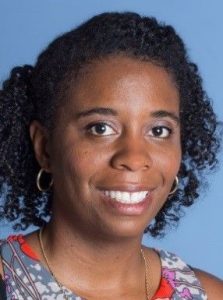
 Ahmara G. Ross, MD, PhD
Dr. Ahmara Ross, is an Assistant Professor of Ophthalmology and Neurology at the University of Pennsylvania’s Perelman School of Medicine, and an attending physician at the Scheie Eye Institute. She specializes in the diagnosis and management of optic neuropathies, including glaucoma and complex neuro-ophthalmologic disorders. Clinically, she performs cataract surgery, minimally invasive glaucoma surgery, and traditional incisional procedures.
Dr. Ross completed her undergraduate studies at Bryn Mawr College and earned her MD and PhD in Molecular Pharmacology and Structural Biology from Thomas Jefferson University. She completed her ophthalmology residency at the University of Pittsburgh, followed by dual fellowship training in glaucoma and neuro-ophthalmology at the University of Pennsylvania.
Her research program bridges basic neuroscience and translational ophthalmology. She leads an NIH-, industry-, and foundation-funded laboratory focused on understanding the molecular mechanisms of retinal ganglion cell injury and survival. A central goal of her lab is the development of gene therapy strategies to enhance neuronal resilience and regeneration in optic nerve diseases. Current projects include the use of cell-specific viral promoters to target retinal ganglion cells, exploration of neuroprotective pathways such as SIRT1 signaling, and investigation of a potential neurodegenerative variant, WDR36, in contributing to the onset of early normal tension glaucoma using both animal models and human iPSC-derived retinal ganglion cells.
In addition to her laboratory research, Dr. Ross plays an active role in clinical research. She serves as co-Principal Investigator on a translational clinical study evaluating the neuroprotective potential of ST266 in patients with ocular hypertension, and as a sub-Investigator on the SLT COAST Trial, a multicenter randomized trial of selective laser trabeculoplasty, both at the University of Pennsylvania.
Dr. Ross has received multiple awards for her research and leadership, including the Thomas and Susan Carlow Young Investigator Award from the North American Neuro-Ophthalmology Society, the Women in Ophthalmology Emerging Leader Award, and the National Medical Association Emerging Leader Award. She has presented her work at major scientific meetings such as ARVO and NANOS, and her research continues to be supported by a range of institutional, federal, and private sources.
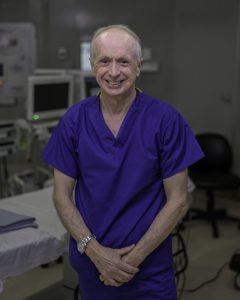
Keith Barton is a Glaucoma Specialist at Moorfields Eye Hospital, Professor of Ophthalmology in UCL and innovator who has pioneered surgical treatments for advanced and complex glaucomas, as well as minimally invasive techniques. Keith is known throughout the world for complex glaucoma surgery, has been instrumental in landmark trials that have defined the evidence base for glaucoma drainage devices and refined the indications for lasers and trabeculectomy, including TVT, ABC, PTVT, TAGS and LIGHT. He co-designed the Paul Glaucoma Implant and has dedicated his career to refining GDD implantation to achieve physiological intraocular pressure control in early after surgery.
Keith has been BJO Editor-in-Chief, Chair of Glaucoma UK (charity), Director of Moorfields’ Clinical Glaucoma Service and Hong Leong Visiting Professor at National University of Singapore. Awarded the Charamis Medal for achievement in surgery (2016) and the International Scholar Award of the American Glaucoma Society (2024). Keith also founded the ESCRS Glaucoma Day and additionally founded and runs the much-acclaimed Moorfields International Glaucoma Symposium, now in its 17th year. In 2012 he co-founded Ophthalmology Futures Forums, industry investor meetings in Ophthalmology which he continues to run annually in Europe and periodically in Asia and has been voted one of the 100 most influential people in Ophthalmology globally, 5 times by the Ophthalmologist magazine (twice in the top 10). In 2018, Keith co-founded the International Glaucoma Surgery Registry, a free to use, anonymised web-based registry of glaucoma surgery, giving surgeons audit data of their individual outcomes in comparison with the registry as a whole and providing wider international real world data across the whole spectrum of glaucoma surgery.
Program Subject to Change.
Overall Learning Objectives:
Welcome Reception: French Corridor
Exhibits: Laurier Room
Meals: Laurier Room
Main Plenary: Ballroom
7:00pm – 9:00pm
Welcome Reception
French Corridor
7:00am – 7:45am
Registration, Breakfast, Exhibits
8:00am – 8:20am
Welcome & Opening Remarks
Steven Schendel, CGS President
Amaka Eneh, CGS Meeting Chair
8:20am – 9:00am
Sessions 1: Medical Updates 1
Session Objectives:
Presentations:
Negative Pressure Goggles and Direct SLT – Dr. Marianne Edwards
Ozempic and Glaucoma Risk – Dr. Raageen Kangee
Update on Neuro-Ophthalmology — Dr. Heather McDonald
Excimer Laser Trabeculoplasty – Dr. Soumya Poudry
Moderator: Dr. Wei Sim
9:00am – 9:40am
Session 2: Keynote Address
Updated on Neuro-Protective and Neuro-Restorative Therapy in Glaucoma – Dr. Ahmara Gibbons Ross
Session Objectives:
Moderator: Dr. Amaka Eneh
9:40am – 10:15am
Session 3: Video Panel – Tips & Tricks
Session Objectives:
Presentations:
PreserFlo – Dr. Gavin Docherty
Xen – Dr. Delan Jinapriya
Hydrus – Dr. Fargol Mostofian
GATT – Dr. Maryam Abtahi
Moderator: Dr. Soumya Poudry
10:15am – 10:45am
Break & Exhibits
10:45am – 11:20am
Session 4: Surgical Updates
Session Objectives:
Presentations:
Endothelial Cell Loss – Dr. Keith Barton
Paul Device – Dr. Keith Barton
Moderator: Dr. Amaka Eneh
11:20am – 11:45am
Session 5: Visual Fields
Session Objectives:
Presentations:
Overview of all Visual Fields Technologies: Goldmann, Humphrey, Octopus, Utility of FDT – Dr. Wei Sim
VR Technology – Dr. Andy Crichton
11:45am – 12:15pm
Session 6: Surgical Complications Panel Discussion
Session Objectives:
Panelists: Drs. Delan Jinapriya, David Yan, Keith Barton
Moderator: Dr. Paul Refuse
12:15pm – 12:45pm
Lunch and Exhibits
6:00pm – 9:00pm
CGS Reception & Dinner
7:30am – 8:30am
Co-Developed Symposium – The Conjunctivum and Subconjunctival Space in Glaucoma Surgery
Session Objectives: Use a case-based approach to:
Panelists: Drs. David Yan, Devesh Varma, Jeb Ong, Lisa Heckler, Marcelo Nicolela
Moderator: Dr. Hady Saheb
8:30am – 8:45am
Break and Exhibits
Breakfast and Exhibits start at 7:00am and extend to 8:45am.
8:45am – 9:15am
Session 7: Surgical Videos Competition
Session Objectives:
9:15am – 10:00am
Session 8: Medical Updates 2
Session Objectives:
Presentations:
Cornea/Dry Eye Update – Dr. Sama Sabeti
SLT as Primary Treatment – Dr. Jing Wang
Anonymous Submissions Panel Discussion – Drs. Jeb Ong, Marcelo Nicolela, Toby Chan
Moderator: Dr. Tal Sharon
10:00am – 10:30am
Session 9: OCT Technology Panel
Session Objectives:
Panelists: Drs. Andy Crichton, Hady Saheb, Xavier Campos
10:30am – 11:00am
Break & Exhibits
11:00am – 11:30am
Session 10: Keynote Address
Health Equity Topics and How This Potentially Creates an Intersection Between Science and Clinical Care – Dr. Ahmara Gibbons Ross
Session Objectives:
Moderator: Dr. Amaka Eneh
11:30am – 12:10pm
Session 11: Humanities Session
Session Objectives:
Presentations:
CMPA – Dr. Richard Mimeault
Optometry Scope Expansion Panel – Drs. Ahmara Gibbons Ross, Cindy Hutnik, Richard Mimeault, Victor Penner
Moderator: Dr. Gavin Docherty
12:10pm – 12:30pm
Session 12: Practice Management Strategies Panel
Session Objectives:
Panelists: Drs. Catherine Birt, Sadhana Kulkarn
Moderator: Dr. Amaka Eneh
12:30pm – 12:45pm
Closing Remarks
12:45pm – 1:00pm
Lunch and Exhibits
1:00pm – 2:30pm
CGS Business Meeting
2025 CGS Members Only – The agenda will be sent by email a few days before – only to those eligible to attend the Business Meeting.
2025 Jr CGS Members (Fellows) are not eligible to attend Business Meeting, nor are Associate members or Emeritus members.
